Most American independent CPAs in Miami see that high-performing teams fuel explosive revenue growth. With agile practices, firms have surpassed a 30 percent boost in service delivery speed and unlocked new paths to seven and eight figure gains. For those who want more from their practice, it starts by reshaping how your team works together. Discover a clear roadmap for assessing, structuring, and empowering CPA teams ready for the next level of success.
Table of Contents
- Step 1: Assess Current Team Structure And Capabilities
- Step 2: Define Agile Roles And Measurable Objectives
- Step 3: Implement Agile Workflows And Collaboration Tools
- Step 4: Train Teams On Agile Practices And Compliance
- Step 5: Monitor Outcomes And Optimize Team Performance
Quick Summary
| Key Insight | Explanation |
|---|---|
| 1. Assess team skills thoroughly | Conduct an extensive skills inventory to identify strengths and areas for improvement within your team. |
| 2. Define agile roles clearly | Establish distinct roles and measurable objectives for each team member to promote accountability and enhance performance. |
| 3. Implement effective workflows | Choose appropriate agile frameworks and collaboration tools to enhance communication and improve efficiency in your practice. |
| 4. Provide targeted training programs | Develop training that aligns agile methodologies with compliance standards to ensure your team is well-prepared. |
| 5. Monitor performance continuously | Use performance dashboards and feedback cycles to track metrics, facilitating ongoing improvement and team growth. |
Step 1: Assess current team structure and capabilities
Understanding your team’s current capabilities is the critical first step in building an agile accounting practice that can scale rapidly. This assessment will help you identify strengths, potential skill gaps, and opportunities for strategic team development.
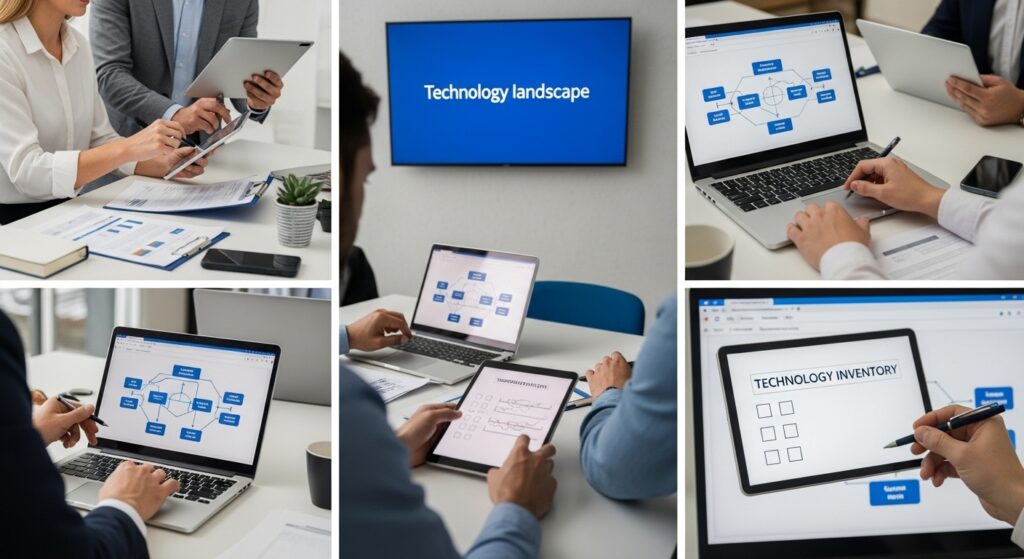
Begin by conducting a comprehensive skills inventory for each team member. Look beyond their job titles and examine their actual competencies, experience levels, and potential for growth. Capacity planning strategies recommend documenting each individual’s technical skills, soft skills, and current workload. Create a detailed matrix that captures not just what they currently do, but what they could potentially contribute.
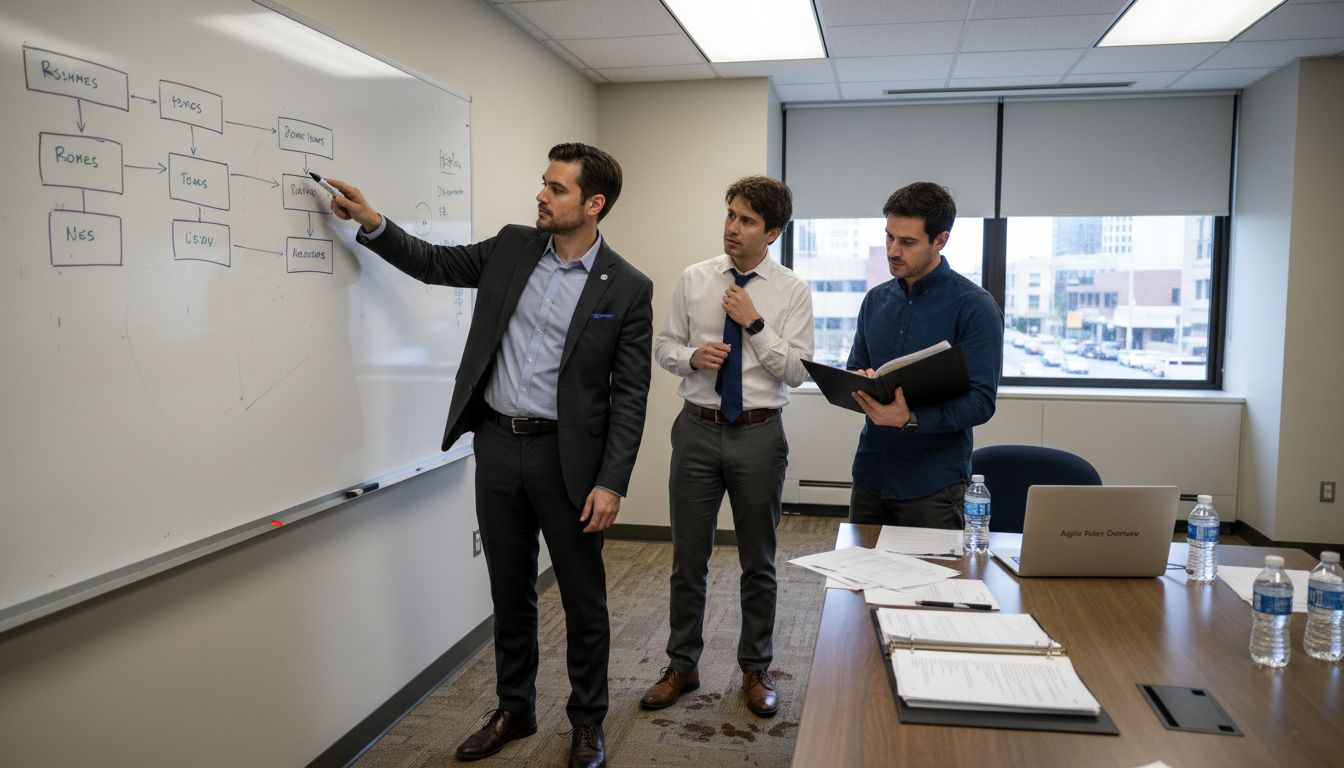
Next, analyze your team’s current organizational structure. Agile team models suggest evaluating roles like team leads, specialists, and support staff to understand how effectively your current configuration supports rapid adaptation. Look for bottlenecks, redundancies, or areas where talent is underutilized. Pay special attention to communication pathways and how information flows between team members.
Pro tip: Schedule brief one-on-one conversations with each team member to gather qualitative insights that might not be apparent in formal documentation.
Step 2: Define agile roles and measurable objectives
Defining clear roles and objectives is essential for creating a high performing agile team in your Miami CPA practice. This step transforms your current team structure into a dynamic and responsive unit capable of delivering exceptional client value.
Start by understanding that agile roles are about accountability and responsibilities, not rigid job descriptions. In a CPA firm, this means moving beyond traditional hierarchies to create flexible team structures. Identify key roles such as Product Owner, Scrum Master, and team members while ensuring each person understands their specific contributions. For instance, your Product Owner might focus on client needs and service prioritization, while team members collaborate to deliver comprehensive accounting solutions.
Next, establish measurable objectives that align with your firm’s strategic goals. Agile team characteristics emphasize the importance of clear, quantifiable targets. Break down broader objectives into specific measurable outcomes like client satisfaction rates, project completion times, or revenue growth. Each team member should have individual and collective goals that support the overall firm strategy.
Pro tip: Create a visual accountability matrix that maps individual roles to specific objectives, making responsibilities transparent and trackable.
Here’s a summary of agile roles and their core responsibilities in a typical CPA firm:
| Role | Primary Responsibility | Business Impact |
|---|---|---|
| Product Owner | Defines client needs and priorities | Enhances client satisfaction |
| Scrum Master | Facilitates team processes | Improves workflow efficiency |
| Team Member | Delivers solutions collaboratively | Broadens service capabilities |
| Specialist | Provides technical expertise | Elevates quality and compliance |
Step 3: Implement agile workflows and collaboration tools
Transforming your Miami CPA practice requires strategic implementation of agile workflows and cutting-edge collaboration tools that streamline communication and boost team productivity. This critical step will help you create a more responsive and efficient operational environment.
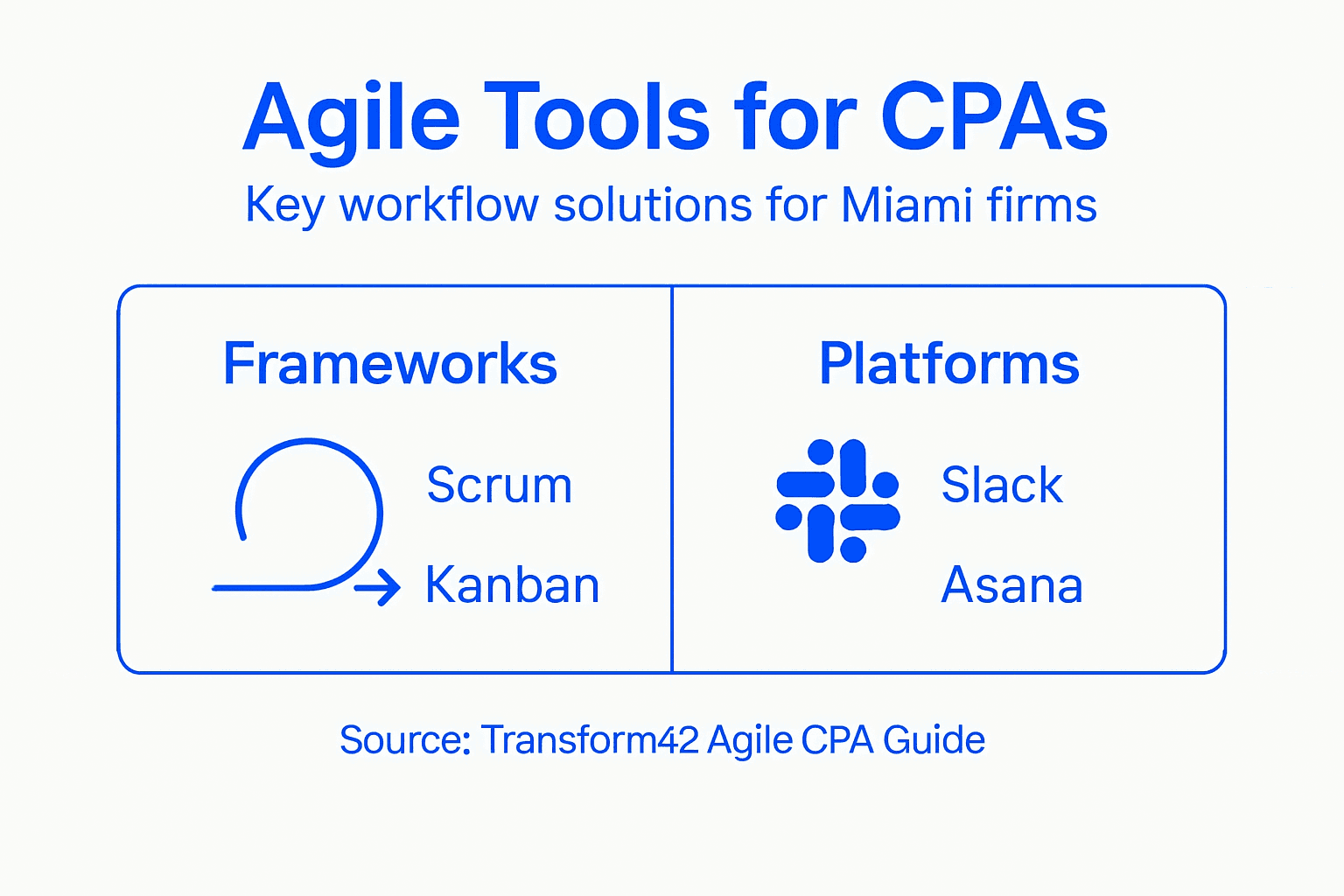
Begin by selecting agile frameworks that align with your firm’s specific needs. Agile workflow implementation involves carefully choosing methodologies like Scrum or Kanban that match your team’s working style. For accounting teams, this might mean adopting daily stand up meetings, sprint planning sessions, and visual task management boards that track client projects and internal workflows. Focus on tools that provide real time transparency and enable quick decision making.
Next, integrate robust collaboration platforms that support seamless communication and project tracking. Look for solutions that allow instant messaging, document sharing, and integrated project management capabilities. The goal is to create a digital workspace where team members can collaborate effortlessly, regardless of physical location. Prioritize tools that offer secure access, easy file sharing, and comprehensive tracking of client engagement and internal tasks.
Pro tip: Select collaboration tools with built-in analytics that provide insights into team performance and project progress, allowing you to continuously optimize your workflow.
Below is a comparison of popular collaboration tools relevant for agile CPA teams:
| Tool | Key Feature | Team Benefit |
|---|---|---|
| Slack | Instant messaging | Faster team communication |
| Microsoft Teams | File sharing & meetings | Streamlined collaboration |
| Asana | Task management | Better project tracking |
| Trello | Visual boards | Efficient workflow management |
Step 4: Train teams on agile practices and compliance
Successfully transforming your Miami CPA firm requires a strategic approach to training that aligns your team with agile methodologies while maintaining rigorous professional standards. This step focuses on developing a comprehensive training program that empowers your team to embrace agile principles effectively.
Professional agile leadership training provides the foundation for building a culture of continuous learning and adaptation. Start by creating a structured onboarding process that introduces team members to agile concepts, emphasizing how these practices specifically apply to accounting and tax services. Develop workshops that combine theoretical knowledge with practical exercises, allowing team members to experience agile methodologies firsthand. Focus on real-world scenarios that demonstrate how agile practices can improve client service, project management, and team collaboration.
Next, address compliance requirements as an integral part of your agile transformation. Implement training modules that integrate regulatory compliance with agile principles, ensuring that your team understands how to maintain professional standards while remaining flexible and responsive. Create simulation exercises that challenge team members to solve complex scenarios that require both agile thinking and strict adherence to accounting regulations. Develop a continuous learning environment that encourages team members to share insights, discuss challenges, and collectively improve their approach to client services.
Pro tip: Establish a mentorship program where experienced team members coach newer colleagues on navigating the intersection of agile methodologies and professional compliance.
Step 5: Monitor outcomes and optimize team performance
Transforming your Miami CPA firm’s performance requires a systematic approach to tracking, analyzing, and continuously improving team effectiveness. This step focuses on creating a robust monitoring framework that turns data into actionable strategies for growth.
Start by developing performance dashboards with comprehensive insights. These dashboards should track key metrics like client satisfaction, project completion rates, revenue per team member, and individual productivity. Look beyond surface level numbers to understand the deeper trends and patterns in your team’s performance. Include long term trend analysis that shows how your team evolves over time, and create benchmarks that help you understand your firm’s progress against industry standards.
Next, implement a continuous feedback and improvement cycle that goes beyond traditional performance reviews. High performing teams require psychological safety and reflective practices that encourage open communication and collective learning. Schedule regular team debriefings where members can candidly discuss challenges, share successful strategies, and collaboratively problem solve. Use these sessions to identify skill gaps, recognize outstanding performance, and develop targeted training interventions that address specific team needs.
Pro tip: Create a quarterly performance review process that combines quantitative metrics with qualitative feedback, ensuring a holistic view of individual and team growth.
Drive Your Miami CPA Practice Forward with Agile Leadership and Digital Transformation
Building agile teams requires more than just restructuring roles or adopting tools. The key challenges you face include managing capacity effectively, aligning team objectives with client priorities, and mastering compliance while staying flexible. This guide highlights those pain points and offers practical steps to create a high-performing, adaptive accounting team. Now it is time to take the next step by leveraging expert guidance on leadership and digital solutions tailored for Miami CPA firms.
Unlock your firm’s full potential by exploring how strategic technology integration can elevate your team’s collaboration and compliance. At Transform42, we specialize in helping professionals like you land bigger clients and scale without a proportional increase in hiring. By combining agile principles with cutting-edge tech, you can build capabilities your clients expect and reclaim your life. Learn more about effective team building in the Leadership Archives, discover people-centered growth strategies in the People Archives, and embrace modern tools in the Digital-transformation Archives.
Ready to transform your Miami CPA practice swiftly and sustainably? Visit Transform42 today and start shaping the agile, scalable team that drives your growth.
Frequently Asked Questions
What are the first steps in assessing my CPA team’s current capabilities?
Start by conducting a comprehensive skills inventory for each team member, focusing on their actual competencies rather than job titles. Document their technical skills, soft skills, and current workload to identify strengths and potential gaps within 30 days.
How can I define agile roles for my CPA team?
Agile roles focus on accountability rather than rigid job descriptions. Identify key roles like Product Owner and Scrum Master, ensuring each team member understands their specific contributions and responsibilities within one month.
What collaboration tools should I implement for my agile CPA team?
Select tools that facilitate communication and project tracking, such as instant messaging and project management platforms. Aim to create a digital workspace that enhances collaboration, implementing these tools within the next 60 days.
How can I train my team on agile practices while ensuring compliance?
Develop training modules that blend agile methodologies with compliance requirements, focusing on real-world scenarios relevant to accounting services. Conduct workshops to reinforce these principles while integrating compliance training from the start.
What metrics should I track to monitor my agile team’s performance?
Monitor key metrics like client satisfaction, project completion rates, and individual productivity to gauge team effectiveness. Create performance dashboards to visualize these metrics and identify areas for improvement on a quarterly basis.
How do I create a culture of continuous improvement within my team?
Establish a feedback and improvement cycle through regular team debriefings that encourage open communication. Schedule these sessions regularly to allow team members to share insights and identify growth opportunities after each project.
Recommended
- Agile Methodology Explained: Complete Guide for CPAs – Stratgetic IT Consultants for Accountants
- Agile Methodology Explained: Complete Guide for CPAs
- Understanding Business Agility Explained: Key Concepts – Stratgetic IT Consultants For Accountants
- 7 Types of Management Consulting Every Miami CPA Should Know – Stratgetic IT Consultants for Accountants