Every Miami CPA firm faces mounting pressure to safeguard client data, meet strict compliance requirements, and maintain smooth daily operations. For IT Service Desk Managers, mastering this balance means much more than solving technical issues. The real challenge is building a support system that delivers strong performance, drives business results, and aligns with evolving technology trends. In this article, discover how a focus on service lifecycle management and strategic leadership can transform the IT desk into a true engine for growth.
Table of Contents
- Role Of The IT Service Desk Manager
- Essential Skills For Mid-Sized CPA Firms
- Leveraging Technology For Revenue Growth
- Compliance Challenges In Miami’s CPA Sector
- Avoiding Common IT Desk Management Mistakes
Key Takeaways
| Point | Details |
|---|---|
| Strategic Role of IT Service Desk Manager | IT Service Desk Managers ensure technological operations align with business goals, enhancing productivity and client service. |
| Essential Skills for Success | A mix of technical expertise, leadership, and communication skills is essential for driving efficiency and growth in CPA firms. |
| Leveraging Technology for Growth | Integrating cloud solutions and marketing automation significantly enhances client engagement and operational efficiency. |
| Importance of Compliance Management | Implementing digital compliance tracking helps CPA firms navigate regulatory challenges effectively while ensuring client trust. |
Role of the IT Service Desk Manager
In the complex world of technology support for Miami CPA firms, the IT Service Desk Manager plays a critical strategic role that goes far beyond basic technical troubleshooting. They are the pivotal professionals responsible for ensuring seamless technological operations that directly impact business productivity and client service quality.
The primary responsibilities of an IT Service Desk Manager include overseeing service lifecycle management across multiple dimensions. This involves designing efficient support processes, managing vendor relationships, monitoring service levels, and developing strategies that align technology infrastructure with specific business objectives. For CPA firms in Miami, this means creating robust IT frameworks that protect sensitive financial data while enabling smooth operational workflows.
Beyond technical expertise, these managers must possess exceptional leadership and interpersonal skills. They interface between technical teams and business leadership, translating complex technological challenges into strategic solutions. Successful IT Service Desk Managers develop comprehensive support strategies, manage budgets, and create performance metrics that demonstrate tangible technological value for accounting practices.
Moreover, the role demands continuous learning and adaptability. Technology evolves rapidly, and IT Service Desk Managers must stay ahead of emerging trends, cybersecurity threats, and innovative solutions that can provide competitive advantages for CPA firms. This requires a proactive approach to training, vendor management, and strategic technological planning.
Pro tip: Invest in continuous skills development and maintain strong relationships with technology vendors to stay ahead of emerging IT support trends.
Essential Skills for Mid-Sized CPA Firms
IT Service Desk Managers in mid-sized CPA firms must develop a robust and comprehensive skill set that goes beyond traditional technical knowledge. These professionals need to blend advanced technological expertise with strategic business understanding to drive organizational growth and efficiency.
The foundation of effective IT service management starts with key technological competencies, including deep knowledge in cybersecurity, systems administration, and data analysis. For Miami CPA firms, these skills are critical in protecting sensitive financial information, ensuring compliance, and maintaining seamless technological infrastructure. Professionals must understand how to implement robust security protocols, manage complex network environments, and provide data-driven insights that support strategic decision making.
Beyond technical skills, successful IT Service Desk Managers must excel in communication, leadership, and strategic planning. They need to translate complex technological challenges into clear, actionable solutions for non-technical leadership. This involves developing comprehensive service strategies, managing cross-functional teams, and creating performance metrics that demonstrate tangible technological value. Understanding how to integrate advanced communication techniques, collaborate effectively with vendors, and improve overall user experience becomes paramount in delivering exceptional IT support.

Adaptability and continuous learning represent the most critical skills for IT Service Desk Managers. Technology evolves rapidly, and professionals must stay current with emerging trends, cybersecurity threats, and innovative solutions. This requires a proactive approach to professional development, obtaining relevant certifications, attending industry conferences, and maintaining a flexible mindset that can quickly respond to changing technological landscapes.
Pro tip: Develop a personal learning roadmap that includes quarterly technology skill assessments and targeted training to stay ahead of emerging IT trends.
Leveraging Technology for Revenue Growth
For Miami CPA firms, strategic technology integration is no longer optional but a critical pathway to sustainable revenue growth. The modern accounting landscape demands sophisticated technological approaches that transform traditional service delivery and create compelling value propositions for clients.
Technology offers unprecedented opportunities for scaling business operations through cloud-hosted automation solutions. Cloud platforms enable CPA firms to rapidly adapt to changing tax regulations, streamline complex workflows, and provide real-time financial insights. By implementing integrated software systems, firms can significantly reduce manual processing time, minimize human error, and allocate resources more strategically toward high-value client interactions and advisory services.
Marketing automation represents another powerful technological lever for driving revenue expansion. Advanced tools allow accounting professionals to create sophisticated communication strategies that nurture leads, simplify client onboarding processes, and maintain consistent engagement across multiple digital channels. These technologies enable personalized outreach through email campaigns, social media interactions, and automated follow-up sequences that keep potential and existing clients consistently connected to the firm’s value proposition.
Successful technology adoption requires more than just purchasing tools. It demands a holistic approach that integrates technological capabilities with human expertise, ensuring that digital solutions complement rather than replace professional judgment. CPA firms must invest in continuous staff training, develop robust implementation strategies, and maintain a flexible technological infrastructure that can evolve with changing market demands.
The table below outlines how technology integration can drive specific revenue outcomes for Miami CPA firms:
| Technology Type | Key Benefit | Revenue Impact |
|---|---|---|
| Cloud Automation | Faster workflows | Enables client expansion |
| Marketing Automation | Streamlined outreach | Boosts lead conversion |
| Integrated Platforms | Data accuracy | Reduces costly errors |
| Staff Training | Higher tech adoption | Supports premium services |
Pro tip: Conduct a quarterly technology audit to identify potential efficiency gains and align your technological investments with specific revenue growth objectives.
Compliance Challenges in Miami’s CPA Sector
The regulatory landscape for Miami CPA firms represents a complex maze of legal requirements, professional standards, and technological compliance challenges that demand sophisticated strategic management. Navigating these intricate requirements requires a proactive and comprehensive approach to risk management and professional accountability.
Miami CPA firms must prioritize rigorous quality control mechanisms, particularly through mandatory peer review programs that systematically evaluate professional standards and operational integrity. These external assessments serve as critical checkpoints ensuring firms maintain exceptional service quality, adhere to professional guidelines, and protect client interests. The peer review process goes beyond simple box checking, requiring firms to demonstrate robust internal controls, documentation practices, and commitment to continuous improvement.
Licensing verification and regulatory compliance represent another significant challenge for accounting professionals. Modern CPA firms must implement sophisticated systems that track and validate professional credentials, manage ongoing certification requirements, and mitigate potential legal risks. Technological solutions like license verification platforms enable firms to streamline compliance processes, reduce administrative burdens, and maintain transparent professional standards that build client trust and organizational credibility.
Technology plays an increasingly critical role in managing compliance complexities. Advanced digital platforms allow CPA firms to automate compliance tracking, generate real-time reporting, and create comprehensive audit trails that demonstrate ongoing regulatory adherence. By integrating intelligent compliance management systems, Miami accounting firms can transform regulatory challenges from potential administrative nightmares into strategic opportunities for differentiation and client confidence.
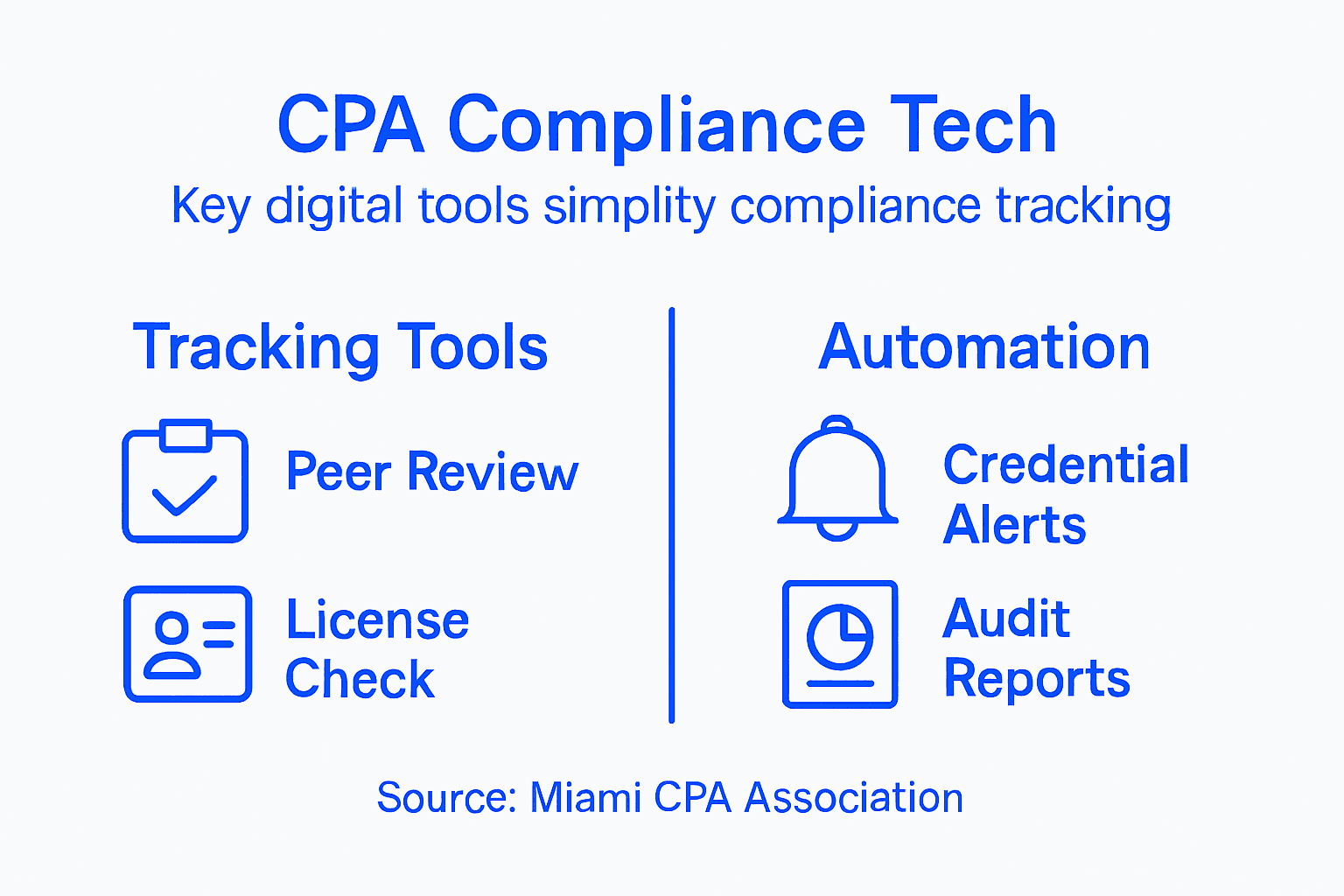
Pro tip: Develop a comprehensive digital compliance tracking system that automates credential verification and provides real-time alerts for potential regulatory changes.
Avoiding Common IT Desk Management Mistakes
Successful IT Service Desk Managers in Miami’s competitive CPA landscape must navigate a complex terrain of technological challenges and operational pitfalls. Understanding and proactively addressing potential management mistakes can distinguish top-performing teams from those struggling with inefficient service delivery.
One of the most critical errors IT leaders make involves failing to integrate service desk processes with broader organizational IT functions. Siloed operations create communication breakdowns, reduce operational efficiency, and ultimately compromise the quality of technological support provided to accounting professionals. Effective managers must develop comprehensive strategies that align service desk activities with overall business objectives, ensuring seamless technological infrastructure and responsive support systems.
Another significant mistake involves inadequate stakeholder communication and engagement. IT Service Desk Managers must recognize that their role extends beyond technical troubleshooting. They need to establish clear communication channels, develop transparent reporting mechanisms, and create collaborative frameworks that enable meaningful dialogue between technical teams and business leadership. This approach transforms the IT service desk from a reactive problem-solving unit into a strategic partner driving organizational technology adoption and efficiency.
Technological adaptability represents another crucial area where IT desk managers frequently falter. Rigid adherence to outdated processes, resistance to emerging technologies, and insufficient investment in continuous staff training can severely limit an organization’s technological responsiveness. Successful managers cultivate a culture of continuous learning, encourage proactive skill development, and maintain a forward-looking approach to technological innovation and service improvement.
Here is a quick comparison of common IT Service Desk management mistakes and the recommended solutions:
| Mistake | Problem Result | Recommended Solution |
|---|---|---|
| Siloed Processes | Poor efficiency | Align IT strategies |
| Weak Communication | Leadership disconnect | Establish feedback channels |
| Rigid Technology Use | Slow innovation | Foster ongoing staff learning |
| Low Stakeholder Input | Missed opportunities | Increase stakeholder engagement |
Pro tip: Implement a quarterly skills assessment and training program that keeps your IT service desk team aligned with emerging technological trends and best practices.
Empower Your Miami CPA Firm With Strategic IT Leadership
The challenges of managing an IT service desk in a Miami CPA environment are real. From overcoming compliance hurdles to aligning tech strategies with business goals, the role requires more than just technical skill. If you want to break free from siloed processes and boost operational efficiency, it is essential to embrace leadership that understands both technology and business dynamics. Our expertise ensures your firm builds the right capabilities, improves communication across teams, and leverages technology for sustainable revenue growth.
Discover how our proven approach in Leadership and Processes can transform your IT service desk from a reactive support function into a strategic business advantage that helps you land bigger clients while scaling without proportional hiring.
Take action now to reclaim your time and grow your practice with a true technology partner. Visit Transform42 to learn how we help Miami CPA firms turn complex IT management challenges into competitive advantages.
Frequently Asked Questions
What are the main responsibilities of an IT Service Desk Manager?
An IT Service Desk Manager oversees service lifecycle management, designs efficient support processes, manages vendor relationships, and develops strategies that align technology infrastructure with business objectives.
Why is continuous learning important for IT Service Desk Managers?
Continuous learning is essential for IT Service Desk Managers to stay updated on emerging technologies, cybersecurity threats, and innovative solutions, ensuring they can effectively adapt to changing landscapes and provide strategic advantages for their CPA firms.
How can technology integration drive revenue growth for CPA firms?
Strategic technology integration can streamline workflows, reduce manual processing time, and enhance client engagement through automation and real-time financial insights, ultimately driving revenue growth by allowing firms to focus on high-value client interactions.
What are some common mistakes in IT Service Desk Management?
Common mistakes include failing to integrate service desk processes with broader IT functions, inadequate communication with stakeholders, rigidity in technological adaptation, and low stakeholder input. Addressing these can enhance operational efficiency and service quality.