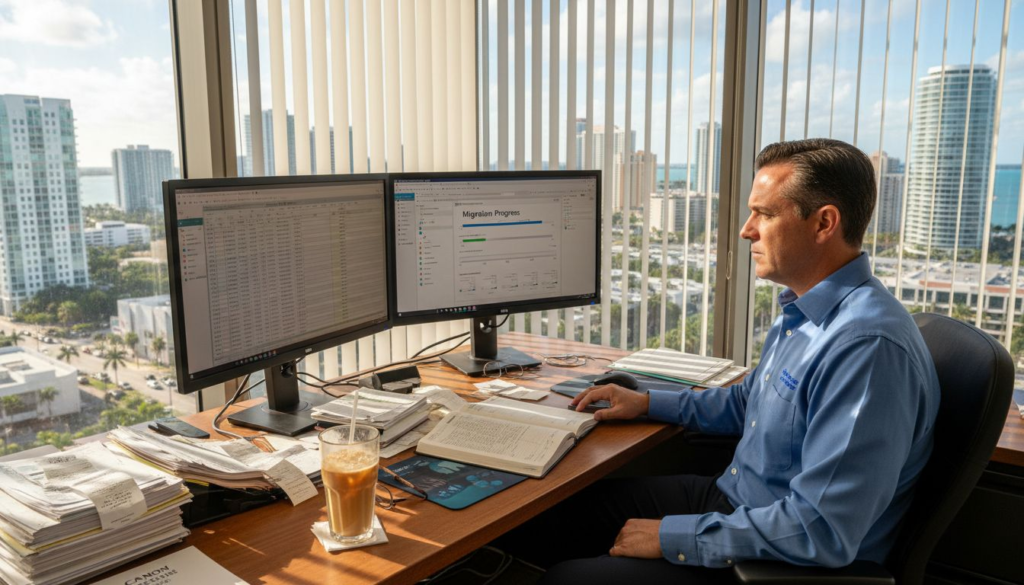
More than eighty percent of American CPA firms report increased efficiency after adopting cloud solutions. Independent CPAs in Miami, especially those in mid-sized firms, face growing pressure to meet regulatory demands and handle sensitive financial data securely. A precise cloud migration strategy can be the difference between stagnant growth and scaling your revenue by several millions each year. This guide clarifies each step to help you master both compliance and performance.
Table of Contents
- Step 1: Assess Current Infrastructure And Compliance Needs
- Step 2: Select Optimal Cloud Solution For Miami CPAs
- Step 3: Prepare Sensitive Data For Secure Migration
- Step 4: Execute Migration And Monitor Data Integrity
- Step 5: Validate Results And Optimize Cloud Performance
Quick Summary
| Key Point | Explanation |
|---|---|
| 1. Assess current infrastructure thoroughly | Conduct an inventory of hardware, software, and network setups to identify migration readiness and compliance needs. |
| 2. Choose the right cloud model | Evaluate public, private, and hybrid cloud options based on security, scalability, and compliance specific to CPA firms. |
| 3. Prepare sensitive data securely | Audit and encrypt financial data prior to migration, ensuring strict access controls to protect client confidentiality. |
| 4. Execute migration with rigorous monitoring | Implement a phased approach, using validation tools and real-time monitoring for data integrity during transfer. |
| 5. Optimize cloud performance post-migration | Regularly review system performance, conduct security audits, and analyze costs to enhance operational efficiency and security. |
Step 1: Assess current infrastructure and compliance needs
Assessing your current technology infrastructure is crucial for a successful cloud migration strategy for your Miami CPA firm. This evaluation will help you understand your existing systems, potential risks, and strategic opportunities for digital transformation.
Start by conducting a comprehensive inventory of all your current hardware, software, and network configurations. Detailed workload analysis helps identify migration readiness through systematic documentation of your IT ecosystem. Focus on mapping out each application, understanding its performance requirements, data dependencies, and regulatory compliance standards specific to accounting practices.
Your assessment should include a thorough review of data security protocols, regulatory compliance requirements like HIPAA and financial reporting standards, and potential integration challenges. Pay special attention to sensitive client financial information and ensure any cloud solution maintains stringent security measures. Look for potential performance bottlenecks, scalability limitations, and compliance gaps that might impact your firm’s operational efficiency.
Pro tip: Engage an external IT compliance expert who understands both accounting regulations and cloud migration strategies to provide an unbiased, comprehensive infrastructure assessment.
Step 2: Select optimal cloud solution for Miami CPAs
Selecting the right cloud solution is a critical decision that will impact your CPA firm’s operational efficiency, data security, and long-term scalability. Your goal is to find a cloud strategy that aligns perfectly with your accounting practice’s unique technological requirements and growth objectives.
Understanding the landscape of cloud options helps CPAs make informed technology decisions. Focus on evaluating three primary cloud models: public cloud, private cloud, and hybrid solutions. Public clouds offer cost-effectiveness and quick scalability, private clouds provide enhanced security for sensitive financial data, and hybrid models deliver a balanced approach that combines the benefits of both. Assess each option through the lens of your firm’s specific compliance needs, data protection requirements, and budget constraints.
Prioritize cloud solutions that offer robust security features, seamless integration with accounting software, and scalable infrastructure. Look for providers with experience in the financial sector who understand the stringent regulatory environment for accounting firms. Consider factors like data encryption, multi-factor authentication, regular security updates, and compliance with industry standards such as HIPAA and financial reporting regulations.
Here’s a quick comparison of the three main cloud deployment models for CPA firms:
| Model | Security Level | Scalability | Best For |
|---|---|---|---|
| Public Cloud | Moderate, enhanced with add-ons | High and elastic | Firms needing cost savings |
| Private Cloud | Strong, dedicated resources | Moderate, more control | Sensitive financial data |
| Hybrid Cloud | Balanced, customizable | Highly flexible | Mixed workloads and growth |
Pro tip: Request detailed security compliance documentation and conduct a pilot migration with a small subset of non critical data to validate the cloud solution’s performance and compatibility before full implementation.
Step 3: Prepare sensitive data for secure migration
Preparing sensitive financial data for cloud migration requires meticulous planning and robust security strategies to protect your CPA firm’s most valuable information. Your primary objective is to create a comprehensive data protection approach that safeguards client confidentiality throughout the migration process.

Structured migration frameworks help accounting firms implement robust data security protocols before transferring any information. Begin by conducting a comprehensive audit of all existing data, categorizing sensitive information based on its confidentiality level. Implement strong encryption for data both in transit and at rest, ensuring that financial records remain protected during and after the migration. Develop a detailed inventory of all client information, financial statements, tax records, and other confidential documents that will be transferred.
Establish strict access controls and identity management protocols to minimize potential security risks. This includes implementing multi-factor authentication, creating role-based permissions that limit data access to only essential personnel, and developing a comprehensive monitoring system to track and log all data interactions. Verify that your chosen cloud solution meets industry-specific compliance standards such as SOC 2, HIPAA, and other financial regulatory requirements specific to accounting practices.
Pro tip: Create encrypted backup copies of all sensitive data on a separate secure storage system before beginning the migration process, ensuring you have a complete failsafe if any unexpected complications arise during transfer.
Step 4: Execute migration and monitor data integrity
Successfully executing your cloud migration requires a systematic approach that ensures complete data transfer and maintains the highest standards of information integrity. Your goal is to transition your firm’s sensitive financial data smoothly while preventing any potential data loss or corruption during the process.
Advanced validation strategies help CPA firms protect critical financial information during cloud migration through rigorous monitoring techniques. Begin by implementing a phased migration approach that transfers data in manageable batches. Use automated validation tools to perform comprehensive checksums and data reconciliation after each transfer, comparing source and destination data sets to confirm complete and accurate migration. Establish real-time monitoring protocols that track every data point during transfer, immediately flagging any discrepancies or incomplete transfers.
Create a comprehensive migration dashboard that provides real-time visibility into the transfer process. This should include detailed logging of all data movements, verification of file integrity, and immediate alerts for any potential issues. Pay special attention to complex financial records, ensuring that nested folders, intricate spreadsheets, and interconnected document systems transfer without losing their original structure or metadata.
Pro tip: Conduct a complete dry run of the migration process using non critical test data to identify potential challenges and refine your transfer strategy before executing the actual migration.
Step 5: Validate results and optimize cloud performance
Successfully completing your cloud migration requires a strategic approach to validating and continuously improving your new digital infrastructure. Your primary objective is to ensure that your CPA firm’s cloud environment delivers maximum performance, security, and operational efficiency.
Comprehensive post-migration optimization strategies help accounting firms maximize their cloud investment through systematic performance review and fine-tuning. Begin by conducting a thorough validation of your migrated data and systems, comparing pre-migration performance benchmarks with current cloud environment metrics. Utilize automated monitoring tools that provide real-time insights into system performance, resource utilization, and potential bottlenecks. Pay close attention to processing speeds, data access times, and overall system responsiveness specific to accounting workflows and financial data management.
Implement a continuous optimization process that leverages advanced analytics to identify opportunities for performance improvement. This includes analyzing resource allocation, identifying underutilized or overprovisioned systems, and making precise adjustments to your cloud configuration. Develop a regular review schedule that includes comprehensive security audits, performance assessments, and cost analysis to ensure your cloud infrastructure remains aligned with your firm’s evolving technological and business needs.
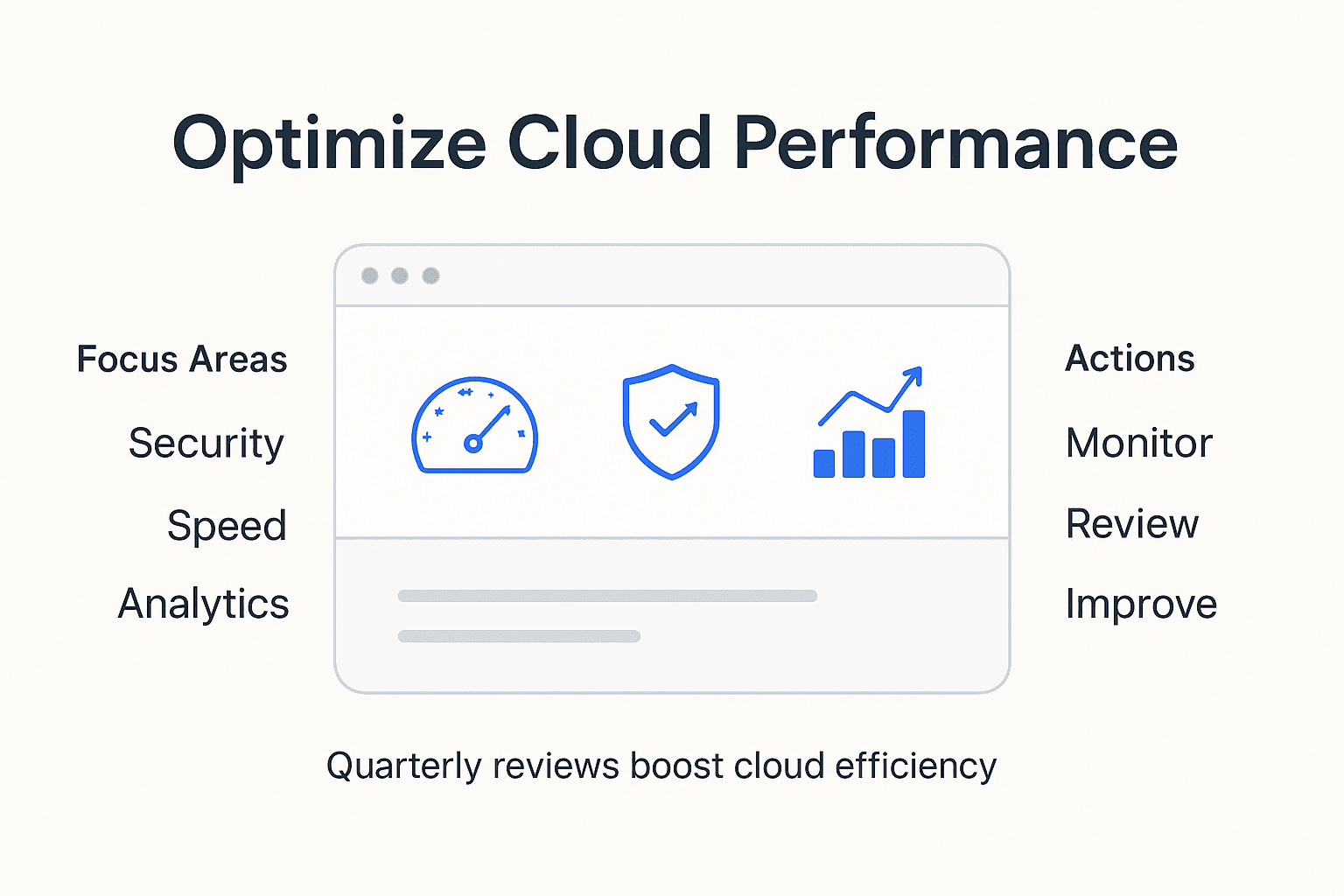
The following table summarizes essential post-migration review activities for Miami CPA firms:
| Review Aspect | What to Check | Benefit for CPA Firms |
|---|---|---|
| System Performance | Compare speed and reliability | Ensures workflow efficiency |
| Security Audits | Validate compliance and access | Protects client data |
| Cost Optimization | Analyze resource usage | Reduces unnecessary spend |
| Ongoing Monitoring | Automate regular status checks | Early detection of issues |
Pro tip: Schedule quarterly performance reviews with your cloud service provider to proactively identify optimization opportunities and stay ahead of potential performance or security challenges.
Transform Your Miami CPA Firm with Secure Cloud Migration Solutions
Building the right cloud migration strategy is essential for Miami CPAs ready to boost revenue while maintaining the highest standards of security and compliance. Your firm faces challenges like safeguarding sensitive financial data, ensuring seamless integration, and scaling operations without adding disproportionate staff. By focusing on data integrity and regulatory compliance, you can land bigger clients and reclaim your valuable time.
At Transform42, we specialize in empowering accounting firms by combining strategic digital transformation and robust security frameworks tailored to the unique demands of finance professionals. Our expertise helps you navigate complex compliance requirements so you can focus on growing your practice and maximizing operational efficiency.
Discover how our proven approach to Digital-transformation Archives – Stratgetic IT Consultants For Accountants and Security Archives – Stratgetic IT Consultants For Accountants can equip your firm with scalable cloud solutions designed for Miami’s competitive market.
Take the next step toward a secure, efficient, and scalable cloud environment. Visit Transform42 today to learn how we help Miami CPAs grow monthly revenue by 7 to 8 figures through technology that gives you a strategic advantage.
Frequently Asked Questions
How can I assess my CPA firm’s current technology infrastructure for cloud migration?
Assess your CPA firm’s current technology infrastructure by creating a comprehensive inventory of your hardware, software, and network configurations. Document applications, performance requirements, and compliance standards to identify any potential risks and strategic opportunities for cloud migration.
What factors should I consider when selecting a cloud solution for my CPA firm?
When selecting a cloud solution, evaluate public, private, and hybrid models based on security, scalability, and compliance with accounting regulations. Prioritize solutions that align with your firm’s budget and specific needs, such as data protection and seamless integration with existing accounting software.
How can I prepare sensitive financial data for secure migration to the cloud?
To prepare sensitive financial data for migration, conduct an audit to categorize data based on confidentiality levels and implement encryption for data both in transit and at rest. Establish strict access controls and role-based permissions to minimize security risks during the migration process.
What steps should I take to ensure data integrity during the migration process?
Ensure data integrity by using a phased migration approach and employing automated validation tools to check for discrepancies between source and destination data sets. Monitor data transfers in real-time and conduct a complete dry run with non-critical data to identify potential challenges prior to the actual migration.
How can I optimize my cloud performance after migration?
To optimize cloud performance after migration, conduct a thorough validation of migrated systems and compare them against pre-migration benchmarks. Implement a regular review schedule for security audits and performance assessments to identify opportunities for improvement in system responsiveness and cost efficiency.
Recommended
- 8 Essential Digital Strategy Tips for Miami CPAs – Stratgetic IT Consultants for Accountants
- 8 Essential Digital Strategy Tips for Miami CPAs
- Complete Guide to the Role of Managed Services – Stratgetic IT Consultants for Accountants
- 7-Step Digital Transformation Checklist for Miami CPAs – Stratgetic IT Consultants for Accountants
- 7 Key Benefits of Local Movers for Stress-Free Moves