
Over 80 percent of American businesses have shifted critical operations to the cloud, but many still struggle with understanding true scalability. This challenge matters because the ability to flex computing power on demand can decide whether a firm grows or gets left behind. By exploring what scalability really means in cloud computing, you gain clear insight into staying competitive while making smart, cost-effective choices that protect your bottom line.
Table of Contents
- Defining Scalability In Cloud Computing
- Types Of Scalability: Vertical Vs. Horizontal
- Scalability’s Role In Miami Professional Firms
- Managing Costs And Avoiding Common Pitfalls
- Compliance, Security, And Client Expectations
Key Takeaways
| Point | Details |
|---|---|
| Scalability as a Business Advantage | Cloud computing scalability enables firms to adjust resources dynamically based on demand, allowing for efficient management without large investments. |
| Vertical vs. Horizontal Scaling | Vertical scaling adds power to existing systems, while horizontal scaling enhances capacity by adding more machines, each suited to different business needs. |
| Cost Management Through Dynamic Allocation | Utilizing intelligent scaling techniques helps avoid overprovisioning and controls spending by adjusting resources to precise demand levels. |
| Security and Compliance Imperatives | Protecting sensitive client data and meeting regulatory requirements is crucial, with firms needing robust strategies for compliance in scalable environments. |
Defining Scalability in Cloud Computing
Cloud computing scalability represents a business’s technological superpower. It allows organizations to dynamically adjust computing resources based on immediate demand, transforming how firms manage technological infrastructure. The core concept revolves around flexibility – enabling systems to expand or contract seamlessly without disrupting performance or creating massive overhead costs.
At its fundamental level, scalability means a system’s ability to handle growing workloads by proportionally adding computational resources. Think of it like stretching a rubber band. Just as a band can expand or contract without breaking, cloud computing infrastructure can adjust computing power, storage, and processing capabilities on demand. This means whether your firm needs minimal resources during slow periods or massive computational power during peak times, the system adapts without requiring complete system redesigns.
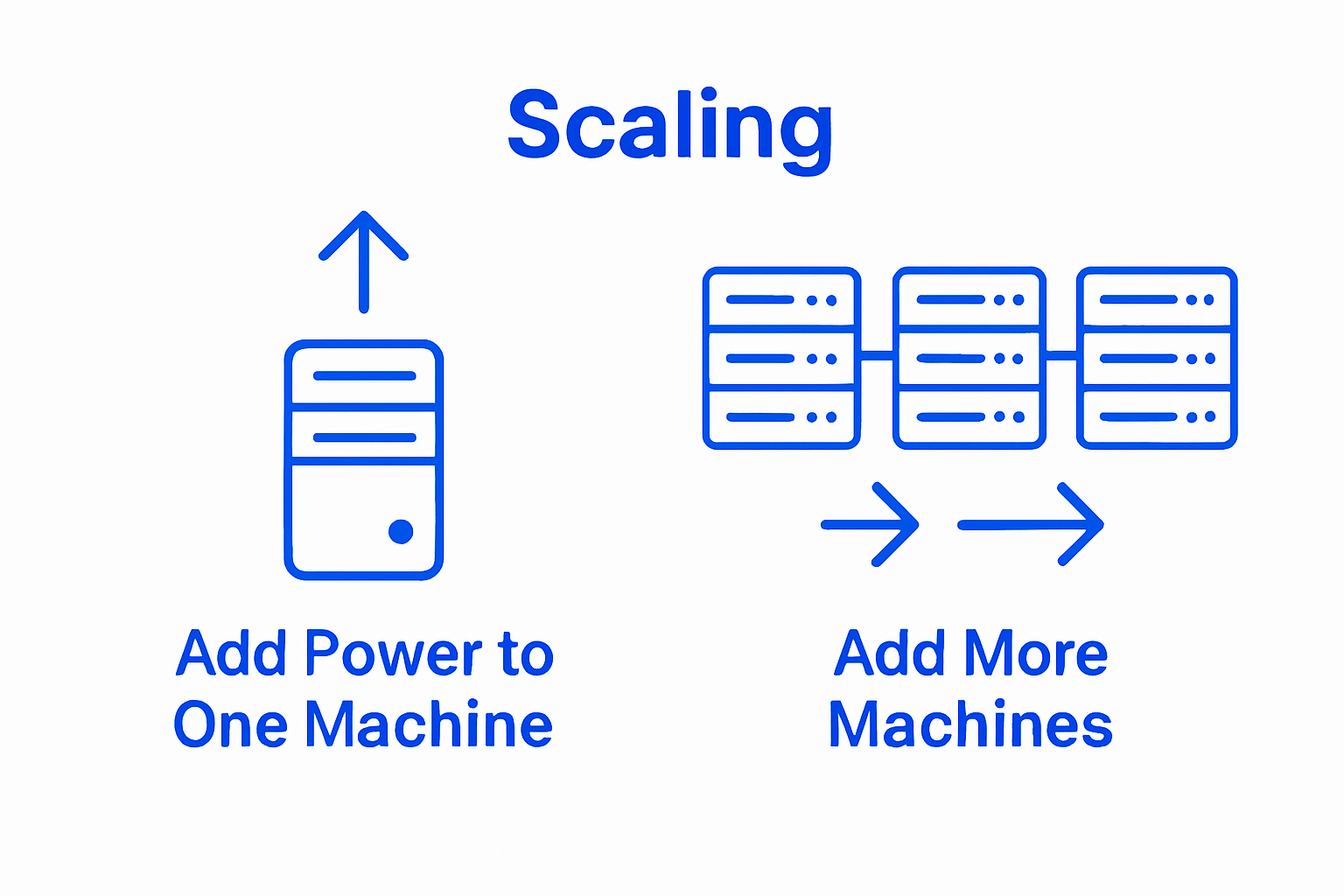
Effective scalability involves two primary approaches: vertical and horizontal scaling. Vertical scaling involves adding more power to an existing system – like upgrading a computer’s RAM or processor. Horizontal scaling means adding more machines to distribute workloads, essentially creating a network of interconnected systems that can handle increased computational demands. For professional services like accounting, law, and medical practices, this translates into the ability to grow technological capabilities without massive upfront investments. Dynamic resource allocation ensures you only pay for what you actually use, making technological expansion more financially strategic.
The real magic of cloud computing scalability lies in its potential to level the technological playing field. Small firms can now access enterprise-level computing power without astronomical costs. A solo CPA can scale their computational resources during tax season and reduce them during slower months, maintaining efficiency and controlling expenses. This flexibility represents more than just technological capability – it’s a fundamental shift in how businesses approach technological infrastructure and growth.
Types of Scalability: Vertical vs. Horizontal
Cloud computing offers two primary strategies for scaling technological infrastructure: vertical and horizontal scaling. These approaches provide businesses with flexible methods to manage computational resources efficiently, each with unique advantages and potential applications for professional services like accounting, law, and medical practices.
Vertical Scaling represents the traditional approach to system expansion. Enhancing the capacity of existing machines involves adding more powerful components like increased RAM, faster processors, or expanded storage directly to a single server. Think of vertical scaling like upgrading a car’s engine – you’re making the existing machine more powerful. For small firms with predictable growth patterns, this method offers a straightforward way to boost performance without completely redesigning infrastructure.

Horizontal Scaling takes a different approach by distributing workloads across multiple interconnected machines. Rather than upgrading a single system, horizontal scaling adds more machines to the network, creating a robust, flexible computational environment. This approach is particularly powerful for businesses experiencing unpredictable or rapidly changing computational demands. Imagine having a team of workers instead of a single superhuman employee – when workload increases, you simply add more team members.
Understanding the nuances between vertical and horizontal scaling allows businesses to make strategic technological investments. Vertical scaling works best for applications with high single-thread performance requirements, while horizontal scaling excels in scenarios demanding parallel processing and handling complex, distributed workloads. By investigating digital scaling strategies, professional services can design technological infrastructures that grow seamlessly with their business needs, maintaining efficiency and controlling costs.
Scalability’s Role in Miami Professional Firms
Miami’s diverse professional landscape demands technological solutions that can adapt quickly and efficiently. From bustling law firms in Brickell to accounting practices in Coral Gables, cloud computing scalability has become a critical competitive advantage for businesses seeking growth and operational flexibility.
Professional firms in Miami face unique challenges that make scalable technology essential. Managed IT services provide crucial support for organizations navigating complex technological requirements. Accounting firms handling tax seasons, legal practices managing multiple case files, and medical offices processing patient records all require systems that can expand or contract seamlessly without massive infrastructure investments.
The local business ecosystem benefits significantly from cloud scalability. Small to mid-sized firms can now access enterprise-level computational power without astronomical upfront costs. A solo CPA in Little Havana can utilize the same sophisticated technologies as larger downtown firms, leveling the technological playing field. Digital upskilling becomes a strategic pathway for professionals wanting to leverage these advanced technological capabilities.
Understanding scalability means recognizing it as more than a technological upgrade – it’s a strategic business transformation. For Miami’s professional services, cloud scalability represents the difference between merely surviving and genuinely thriving in an increasingly competitive marketplace. The ability to quickly adjust technological resources allows firms to respond to market demands, handle seasonal fluctuations, and maintain peak operational efficiency without unnecessary overhead.
Managing Costs and Avoiding Common Pitfalls
Cloud computing scalability offers tremendous potential, but without strategic management, businesses can quickly find themselves trapped in costly technological complexity. Understanding how to navigate resource allocation becomes critical for professional firms seeking to maximize their technological investments without breaking the bank.
Dynamic threshold-based auto-scaling algorithms represent a sophisticated approach to controlling computational expenses. These intelligent systems predict resource requirements and automatically adjust computing power, ensuring firms only pay for exactly what they need. Imagine having a technological assistant constantly optimizing your infrastructure, trimming unnecessary expenses while maintaining peak performance – that’s the promise of intelligent scaling.
Overprovisioning remains one of the most significant financial risks in cloud computing. Many organizations mistakenly purchase far more computational capacity than they actually require, essentially throwing money away. Understanding the nuanced differences between scalability and elasticity helps businesses deploy resources more strategically. This means creating systems that can expand and contract precisely with demand, rather than maintaining expensive static infrastructure.
Redefining project management through digital solutions becomes essential for controlling technological costs. Professional firms must develop a proactive approach, continuously monitoring resource usage, implementing adaptive scaling strategies, and staying ahead of potential budget overruns. The goal isn’t just saving money – it’s creating a responsive, efficient technological ecosystem that grows intelligently with your business.
Compliance, Security, and Client Expectations
In the digital age, professional firms face unprecedented challenges in maintaining client trust through robust technological infrastructure. Clients expect not just performance, but ironclad protection of their most sensitive information, making cybersecurity and compliance fundamental aspects of cloud computing strategies.
Ensuring compliance and security in scalable cloud environments requires comprehensive policies that address potential vulnerabilities. Professional services like accounting, legal, and medical practices handle incredibly sensitive data – financial records, personal health information, and confidential legal documents. A single security breach could devastate client relationships and potentially trigger significant legal consequences.
Regulatory Compliance becomes increasingly complex in cloud environments. Comprehensive cyber security strategies are no longer optional but essential. Different industries face unique regulatory requirements – HIPAA for healthcare, SEC regulations for financial services, and data protection laws that vary by state and industry. Firms must implement cloud solutions that not only scale efficiently but also maintain rigorous security standards across all operational dimensions.
Navigating regulatory automation represents the future of secure, compliant technological infrastructure. Intelligent systems can now automatically monitor, detect, and respond to potential security risks, allowing professional firms to focus on serving clients while maintaining the highest standards of data protection. The goal isn’t just meeting minimum requirements – it’s building a technological ecosystem that proactively safeguards client interests and builds long-term trust.
Unlock Scalable Growth for Your Miami Professional Firm with Strategic IT
Scaling your cloud computing infrastructure is crucial for managing fluctuating workloads and maintaining compliance while avoiding costly overprovisioning. As discussed, understanding vertical and horizontal scaling can empower your firm to grow efficiently without proportional hiring or disruptive system redesigns. However many Miami doctors, lawyers, and accountants face the challenge of balancing scalable technology with strict security and regulatory demands.
At Transform42, we specialize in helping professional firms build technological capabilities that grow with your business and client expectations. Our expertise in Leadership Archives – Strategic IT Consultants For Accountants ensures you implement scalable, compliant solutions that maximize operational efficiency and control costs.
Elevate your firm today by leveraging cloud scalability combined with strategic IT consulting tailored for Miami professionals. Visit our website Transform42 to discover how we help you land bigger clients, scale smartly, and reclaim your time—don’t wait until seasonal spikes or compliance hurdles slow you down. Your firm’s growth and security deserve expert guidance now.
Frequently Asked Questions
What is scalability in cloud computing?
Scalability in cloud computing refers to the ability of a system to dynamically adjust computing resources based on demand, allowing businesses to efficiently manage their technological infrastructure without incurring excessive costs.
What are the two types of scalability in cloud computing?
The two main types of scalability are vertical scaling, which involves enhancing the power of existing machines (like adding RAM or CPU), and horizontal scaling, which involves adding more machines to distribute workloads across a network.
How does cloud scalability benefit small businesses?
Cloud scalability enables small businesses to access enterprise-level computing power without large upfront investments, allowing them to adjust resources based on demand, especially during peak periods, thereby improving efficiency and controlling costs.
What are common pitfalls to avoid in cloud computing scalability?
Common pitfalls include overprovisioning resources, which can lead to unnecessary costs, and failing to implement dynamic resource allocation strategies, which can prevent firms from optimizing their operational expenses.
Recommended
- Beyond Innovation: The Human Touch in Digital Scaling
- Redefining Growth: The Tech Innovations Hyper-Scaling Modern Businesses
- Mastering Hyper-Scaling A Startup’s Blueprint for Breakthrough Growth
- Beyond Innovation: The Human Touch in Digital Scaling – Stratgetic IT Consultants for Accountants
- Understanding What is Outsourced IT for Businesses | NineArchs